
What Last Week's ICD 705 Class Taught Us, and Why We're Doing It Again in October
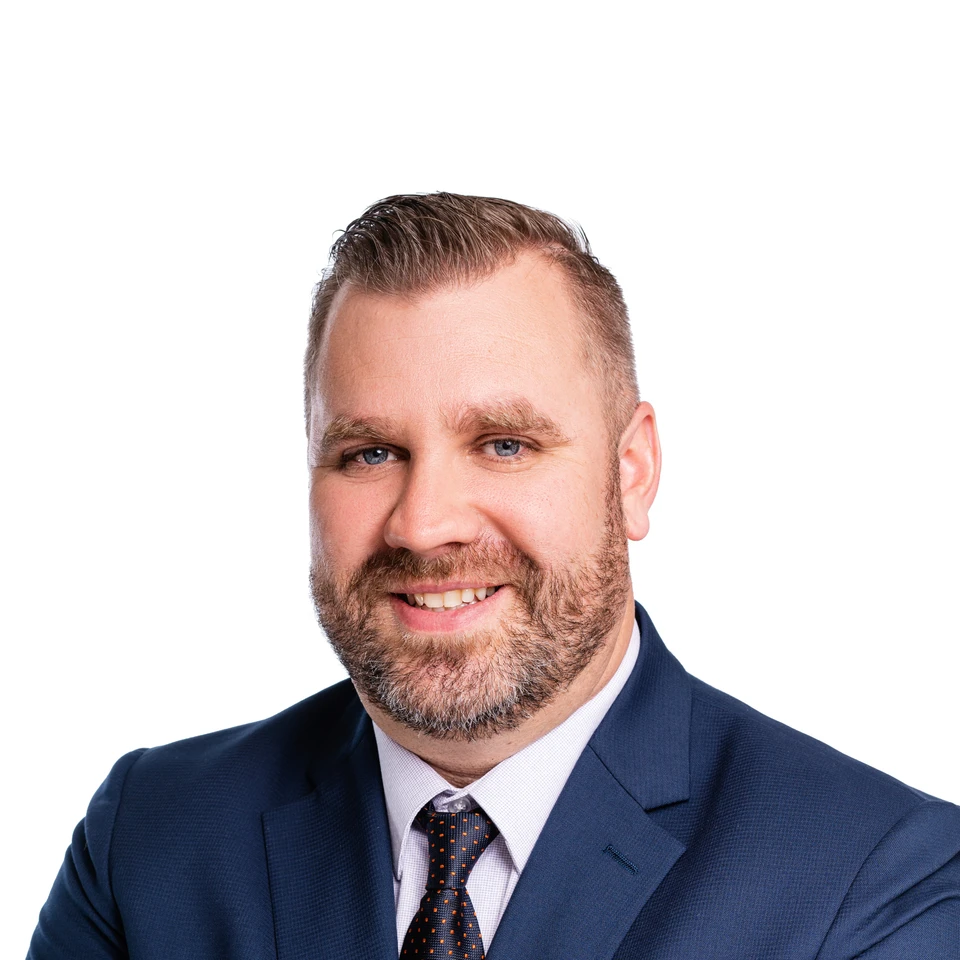
Last week Daniel and I taught our first class in Boston. It felt fitting. So much of our country's freedom traces back to this city, and here we were playing a small part in keeping it that way. Nobody in the room was going to make history that week. But every SCIF and SAPF that gets built right protects the people and the work doing that job today.
The mix of people in the room was a good reminder of why we do this.
Several attendees came from a construction company that had just been handed a large SCIF on a very tight schedule for a fast-growing defense contractor. They weren't new to building. What they needed was to understand the parts of a SCIF that aren't like any other building: which security construction elements have to go in at which phase, what "installed correctly" looks like, and where a schedule this tight gives you no room to fix something after it's covered up.
Sitting next to them were two Navy security officers who manage existing spaces. Some of those spaces are being upgraded to current standards. They came to get ahead of the upgrades: what's changed, what the accreditation process will expect of them, and where the risk is.
We also had contracts and sales people who work with government customers. They don't build or accredit spaces themselves. They came so they could point their customers toward solutions that will actually hold up through accreditation, not ones that look good on paper and cause problems later.
Three very different jobs, but they all needed the same thing: a shared understanding of how a SCIF or SAPF gets from concept to accreditation.

What they walked away with
By the end of the class, everyone had a working picture of the accreditation process from start to finish. We covered the common pitfalls, and how to lower your risk (and often speed things up) by making the right decisions early. We went through the security elements and security construction elements one at a time: when each one belongs in the project, how it should be installed and completed, and how to tell in the field whether it's being done right.
That last point is the one that sticks with people. Once you know what a correct installation looks like, you start noticing problems while they're still cheap to fix.
The feedback matched what we saw in the room. Everyone's expectations were met, and they left ready to get back to their projects.
Why a refresher is worth your time
Some of last week's attendees won't work on a secure facility again for a while. That's normal in this field. When they do, the policy will probably have changed. So will some of the requirements, the technology, and the materials and tools used to build the space.
So even if you've taken a class like this before, it's worth coming back when a project is coming up or when you just want to catch up on what's new. The way things were done on your last SCIF may not be how they're done on your next one.
What you can't get from a search box
These days a lot of people ask AI their ICD 705 questions, and for some things that works fine. It can pull up a requirement or summarize a section of the Tech Spec in seconds. But everything it knows comes from the policy. If that's all you need, you can read the policy yourself.
What the policy doesn't tell you is what happens when it meets a real project. A detail that looked fine on the drawings can fail inspection. A schedule can fall apart over one penetration nobody planned for. One conversation early with the right stakeholder can save you months. Daniel and I have done this hundreds of times, and those lessons come from seeing firsthand what works and what doesn't.
Some of the best lessons in our classes don't come from Daniel or me. They come from the people around you. Last week the builders heard how security officers think about their spaces. The security officers heard what a contractor faces trying to hit a schedule. The contracts folks heard both sides. That exchange happens in a room full of people working through the same problems, and you can't get it from a computer.
For a quick answer, reading the policy or asking a chatbot is fine. When you want to get serious about doing this right, it helps to learn from people who have done it. That's what all of our courses are built on, in person or on demand. You get real people with real experience, talking through situations we've actually faced.
Why we teach
Daniel and I love teaching this class. It's what Precision Security Consulting is about. Secure facility projects don't usually struggle because teams aren't capable. They struggle when understanding isn't shared. Our job is to give people what they need to do their part well, whether they're building the space, securing it, or helping a customer decide what to buy.
Two ways to join us
In person this October. Our next live class is October 6 to 8 in San Diego County. It's three days in the room with Daniel and me and a group of people working through the same problems you are. See the details and reserve your seat.
On demand, starting today. If October doesn't work, or you want a head start, the ICD 705 Foundations Series is the first day of our live course in eight modules you can take at your own pace. Take a look at the Foundations Series.
If you have a project coming up, or you're not sure which option fits your team, reach out and we'll talk it through.
Comments